Looking for a career in healthcare? A healthcare staffing agency can help connect job seekers with dental offices that need trained professionals.
Many healthcare facilities rely on locum tenens staffing solutions to maintain patient care during staffing gaps. As a result, dental assistant jobs remain available in many parts of the country.
A dental assistant career offers a fast path into healthcare. It also provides steady demand, hands-on experience, and room to grow.
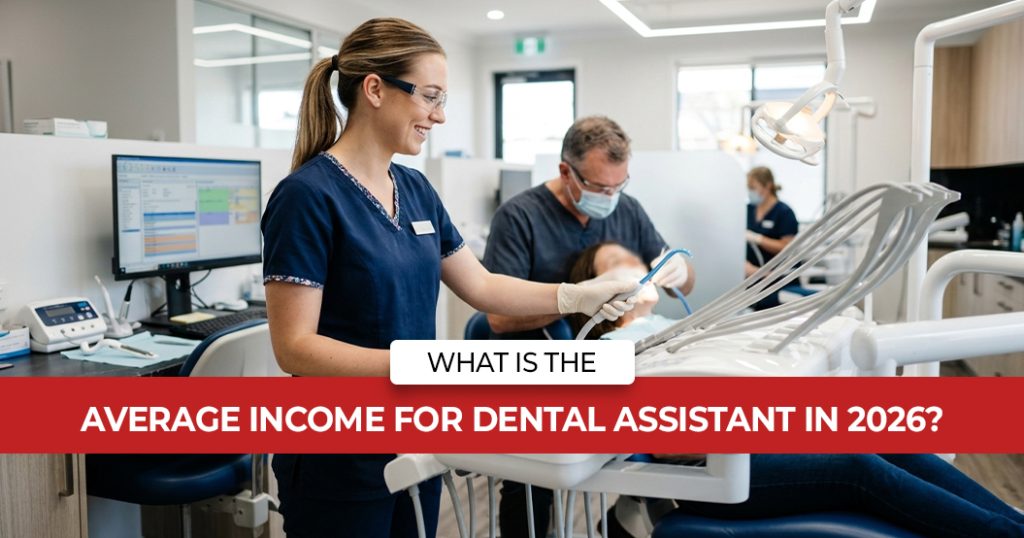
So, what is the average income for a dental assistant in 2026?
The answer depends on experience, training, location and job type. However, most dental assistants earn a competitive income and enjoy strong job security.
Average Dental Assistant Salary in 2026
The exact dental assistant salary for 2026 varies by location, experience, certifications, and workplace setting.
According to the U.S. Bureau of Labor Statistics (BLS), the median annual wage for dental assistants was $47,300 in May 2024. The agency also projects employment growth of 6% from 2024 to 2034, which is faster than the average for all occupations.
Based on recent wage trends and continued demand for dental professionals, many dental assistants in 2026 earn between $40,000 and $60,000 per year. Meanwhile, experienced professionals and those working in specialty practices may earn more.
The table below shows estimated salary ranges by experience level.
| Experience Level | Average Annual Income |
| Entry Level | $38,000–$45,000 |
| Mid-Level | $45,000–$55,000 |
| Experienced | $55,000–$65,000 |
| Specialty Practice | $60,000–$75,000+ |
In addition, many employers offer benefits that increase total compensation.
Common benefits include:
- Health insurance
- Paid vacation
- Retirement plans
- Training support
- Continuing education programs
As a result, total compensation may be worth more than salary alone.
What Affects Dental Assistant Pay?
Several factors affect dental assistant pay.
First, location plays a big role.
Next, experience can increase earnings.
Also, certifications may lead to higher wages.
Finally, specialty training often i
| $55,000–$65,000 |
| $60,000–$75,000+ |
mproves income potential.
Location Can Change Salary
Some states pay more than others.
Likewise, larger cities often offer higher wages.
However, housing and living costs may also be higher.
Therefore, it helps to compare both salary and expenses before accepting a job.
Experience Matters
Most people begin with lower dental assistant starting pay.
Over time, they gain new skills.
As a result, many receive raises.
Employers often reward experience because experienced workers need less supervision.
Certifications Can Increase Income
Many dental offices prefer certified candidates.
For example, a registered dental assistant may qualify for more duties in some states.
Because of this, certification can support higher earnings.
Specialty Offices Often Pay More
Some dental practices focus on special types of care.
These practices include:
- Orthodontics
- Oral surgery
- Pediatric dentistry
- Endodontics
- Periodontics
As a result, specialty offices often offer higher pay. In addition, many dental practices use flexible staffing solutions to meet patient demand and maintain continuity of care.
Dental leaders exploring workforce strategies can learn more in our guide on Locum Tenens Dentists: Pros & Cons for Your Dental Practice.
Dental Assistant Starting Pay
Many people begin with entry level dental assistant jobs.
These roles help new workers build real-world experience.
At first, duties are usually basic.
For example, new assistants may prepare rooms, organize tools, and support patient care.
Most dental assistant starting pay falls between $18 and $24 per hour.
However, pay may be higher in areas with strong demand.
As skills grow, income often grows too.
Dental Assistant Requirements in 2026
The good news is that dental assistant requirements are often easier to meet than many healthcare careers.
Most candidates complete a few key steps.
These steps include:
- Earn a high school diploma or GED.
- Complete a dental assistant training program.
- Gain hands-on experience.
- Meet state requirements.
- Earn certification if needed.
However, rules differ by state.
Therefore, candidates should check local requirements before enrolling in a program.
Dental Assistant Schooling
Many students choose dental assistant schooling because it takes less time than other healthcare programs.
In many cases, training takes less than one year.
As a result, students can start working sooner.
Training programs often cover:
- Dental terms
- Infection control
- Patient care
- Dental X-rays
- Office tasks
- Chairside support
In addition, many programs include practical training.
This experience can help graduates stand out when applying for jobs.
Dental Assistant Job Description
A dental assistant job description includes both patient care and office support.
Dental assistants work closely with dentists during procedures.
They also help patients feel comfortable during visits.
Common duties include:
- Preparing treatment rooms
- Cleaning and sterilizing tools
- Scheduling appointments
- Updating records
- Taking dental images
- Assisting dentists during treatment
- Sharing oral health tips with patients
These tasks make up many common dental assistant description duties.
As a result, dental assistants play an important role in daily office operations.
Skills That Help Dental Assistants Earn More
Strong skills can lead to better job opportunities.
They can also support higher pay.
Communication Skills
Dental assistants speak with patients every day.
Therefore, clear communication is important.
Patients often feel nervous about dental visits.
Good communication helps build trust.
Organization Skills
Dental offices stay busy.
As a result, employers value organized team members.
Strong organization helps offices run smoothly.
Technology Skills
Dental technology continues to change.
For example, many offices now use digital records and imaging systems.
Because of this, technology skills can make candidates more valuable.
Dental Assistant Salary vs. Education Cost
Many healthcare careers require years of school.
However, dental assisting offers a shorter path.
Most dental assistant schooling programs take less than twelve months.
As a result, students often enter the workforce faster.
This shorter timeline can reduce education costs.
Therefore, many people see dental assisting as a cost-effective healthcare career.
Dental Assistant Jobs and Employment Opportunities
Demand for dental assistants remains strong.
People need regular dental care at every stage of life.
At the same time, many dental offices need trained staff.
Because of this, dental assistant employment opportunities continue to grow.
Common work settings include:
- General dental offices
- Orthodontic clinics
- Oral surgery centers
- Pediatric dental offices
- Community health clinics
- Specialty practices
In addition, many employers post dental assistant jobs throughout the year.
As a result, job seekers often have multiple options.
How to Find a Vacancy for Dental Assistant Roles
Finding a vacancy for dental assistant positions is often easier when candidates know where to look.
Popular job sources include:
- Healthcare job websites
- Dental association job boards
- Staffing agencies
- Employer career pages
- School career centers
In addition, professional networking can help uncover hidden opportunities.
Therefore, building industry connections can be valuable.
Dental Assistant Jobs Pay and Future Demand
Many employers continue to raise wages.
The reason is simple.
Dental assistants help improve patient care and office efficiency.
At the same time, many regions face worker shortages.
As a result, dental assistant jobs pay remains competitive.
Some employers also offer signing bonuses and other benefits.
Therefore, total compensation may continue to improve.
What Employers Want in 2026
Employers look for technical skills.
However, they also value personal qualities.
Key traits include:
- Reliability
- Teamwork
- Professionalism
- Attention to detail
- Communication
- Time management
In addition, employers want people who can adapt to change.
Because of this, ongoing learning remains important.
Is Dental Assisting a Good Career Choice?
For many people, the answer is yes.
The career offers a quick path into healthcare.
It also provides steady demand and growth opportunities.
In addition, dental assistants work directly with patients and healthcare teams.
As a result, many find the role both rewarding and stable.
Final Thoughts
The average dental assistant salary in 2026 reflects strong demand across the dental field. In many areas, employers continue to seek trained professionals.
Several factors affect pay for dental assistant roles. These factors include location, experience, certifications, and specialty training.
Furthermore, a registered dental assistant may qualify for more responsibilities and higher earnings.
For job seekers who want a faster entry into healthcare, dental assisting remains a smart career choice. It offers stable demand, practical training, and long-term opportunities for growth