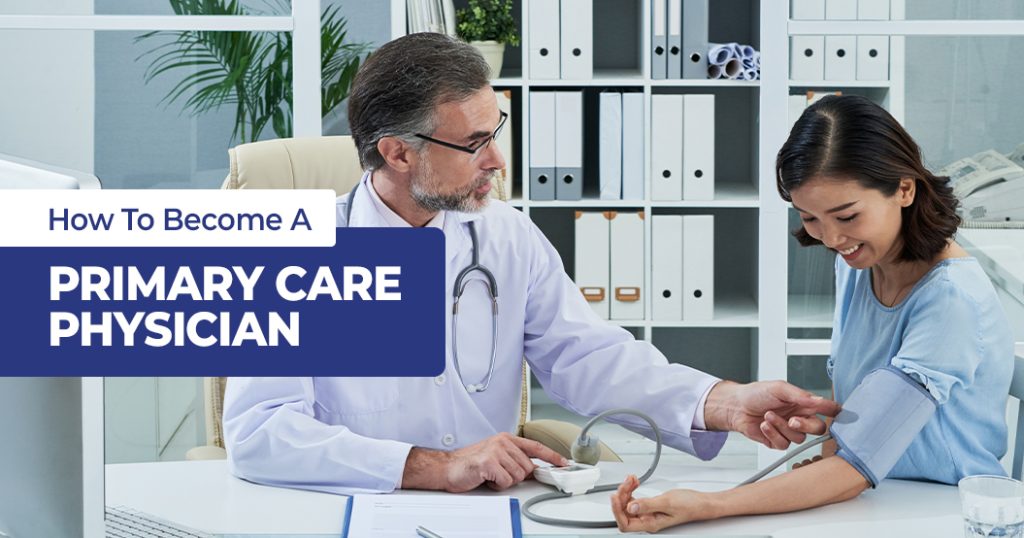
Primary care physicians play a vital role in the healthcare system. They help patients stay healthy, manage chronic conditions, and receive preventive care throughout their lives.
For many people, a primary care physician serves as the first point of contact for medical concerns. As healthcare needs continue to grow across the United States, demand for qualified primary care doctors remains strong.
If you are considering a career in medicine, understanding the path to becoming a primary care physician can help you prepare for the years ahead. This guide explains the education requirements, training process, licensing steps, and career outlook for aspiring physicians.
What Is a Primary Care Physician?
A primary care physician, or PCP, is your main doctor. They are the person you visit for everyday health needs, from regular checkups to when you are feeling sick.
While some doctors only focus on one specific part of the body, a PCP is trained to look at your whole health.
Here is what a PCP does for you:
- Regular Checkups: They do yearly physical exams to make sure your body is growing and working correctly.
- Find and Treat Illnesses: They figure out what is wrong when you have common sicknesses, like the flu or an ear infection.
- Manage Long-Term Health: They help patients take care of ongoing health conditions, like diabetes or high blood pressure.
- Keep You Healthy: They give vaccines to prevent diseases and teach you how to make healthy food and lifestyle choices.
- Connect You to Experts: If you have a medical issue that needs a special kind of doctor, your PCP will help you find the right one.
Because you see the same PCP over many years, they get to know you and your family really well. This long-term relationship helps them understand your health history and give you the best care possible.
Types of Primary Care Physicians
Primary care includes several types of doctors. Each focuses on a different patient group.
- Family Medicine Physicians
- Internal Medicine Physicians
- Pediatricians
- Geriatric Physicians
Why Choose a Career in Primary Care?
Primary care offers a rewarding and stable career path. First, these physicians help patients stay healthy through preventive care and early treatment. As a result, they often make a lasting impact on people’s lives.
Next, demand for primary care physicians remains high across the United States. This creates strong job opportunities in many healthcare settings.
Additionally, primary care doctors build long term relationships with their patients. Many find this personal connection to be one of the most rewarding parts of the profession.
7 Steps to Become a Primary Care Physician
Becoming a primary care physician requires dedication and years of education. However, breaking the process into clear steps makes the journey easier to understand.
Step 1: Earn a Bachelor’s Degree
The first step involves completing a bachelor’s degree from an accredited college or university. Most aspiring physicians choose majors related to science. Common options include:
- Biology
- Chemistry
- Health Sciences
- Biochemistry
- Neuroscience
Students should also complete prerequisite courses required by medical schools. These often include biology, chemistry, physics, and mathematics.
Strong academic performance plays an important role during the medical school application process.
Step 2: Gain Healthcare Experience
Medical schools value hands-on healthcare exposure. Students often gain experience through:
- Clinical volunteering
- Physician shadowing
- Research opportunities
- Community health programs
- Healthcare internships
These experiences help applicants understand patient care while strengthening their medical school applications.
Step 3: Take the MCAT
The Medical College Admission Test, commonly known as the MCAT, serves as a standardized exam for medical school admission.
The test evaluates knowledge in several areas, including:
- Biology
- Chemistry
- Physics
- Psychology
- Critical thinking
A competitive MCAT score can improve admission opportunities at medical schools.
Step 4: Complete Medical School
Medical school typically requires four years of study. The first two years focus on classroom instruction and foundational medical sciences.
Students learn subjects such as:
- Anatomy
- Physiology
- Pharmacology
- Pathology
- Medical ethics
The final two years involve clinical rotations. During this stage, students gain supervised experience in hospitals and healthcare facilities.
Rotations commonly include:
- Internal medicine
- Family medicine
- Pediatrics
- Surgery
- Emergency medicine
- Obstetrics and gynecology
These experiences help students identify their preferred medical specialty.
Step 5: Complete a Primary Care Residency
After graduating from medical school, physicians enter residency training. Most primary care residencies last three years.
Depending on career goals, physicians may choose:
- Family Medicine Residency
- Internal Medicine Residency
- Pediatrics Residency
Residents work directly with patients under physician supervision. During this period, they develop practical clinical skills and gain experience managing real world medical cases.
Step 6: Obtain Medical Licensure
All physicians must obtain a state medical license before practicing independently.
Licensing requirements vary slightly by state. However, physicians generally must:
- Graduate from medical school
- Complete residency training
- Pass licensing examinations
Licensure ensures physicians meet professional standards for safe patient care.
Step 7: Earn Board Certification
Many employers prefer board certified physicians.
Board certification demonstrates advanced knowledge and competency within a medical specialty.
Primary care physicians often earn certification through organizations such as the American Board of Family Medicine or the American Board of Internal Medicine.
Although certification remains voluntary, it can improve career opportunities and professional credibility.
How Long Does It Take to Become a Primary Care Physician?
The journey requires patience and commitment. Most primary care physicians spend approximately 11 years completing their education and training.
| Stage | Estimated Time |
| Bachelor’s Degree | 4 Years |
| Medical School | 4 Years |
| Residency | 3 Years |
| Total | About 11 Years |
Some physicians pursue additional fellowship training, which can extend the timeline further.
According to the U.S. Bureau of Labor Statistics, employment for physicians and surgeons is projected to grow as demand for healthcare services increases, particularly among aging populations. This continued demand highlights the long term value of pursuing a career in primary care.
A Day in the Life of a Primary Care Physician
No two days look exactly the same for a primary care physician. However, most physicians spend their time helping patients prevent, manage, and treat health conditions.
A typical day may include:
- Conducting annual wellness visits
- Diagnosing common illnesses
- Reviewing lab results
- Managing chronic conditions
- Ordering diagnostic tests
- Updating patient records
- Coordinating care with specialists
For example, a physician may start the morning with routine physical exams and preventive screenings. Later, they might help a patient manage diabetes, high blood pressure, or asthma.
Throughout the day, primary care physicians also educate patients about nutrition, exercise, medications, and healthy lifestyle habits.
As a result, they play a key role in improving community health and preventing serious illnesses before they develop.
Primary Care Physician Salary and Career Outlook
Primary care physicians earn competitive salaries while providing essential healthcare services.
Compensation varies based on several factors, including:
- Geographic location
- Medical specialty
- Years of experience
- Employer type
- Patient population
Generally, physicians earn higher salaries as they gain experience and build their practice.
Average Salary by Career Stage
| Career Stage | Typical Salary Range |
| Resident Physician | $60,000 to $80,000 |
| Early Career Primary Care Physician | $180,000 to $230,000 |
| Experienced Primary Care Physician | $250,000+ |
Rural and underserved areas often offer additional incentives. These may include sign on bonuses, loan repayment assistance, and relocation packages.
Job Outlook for Primary Care Physicians
The outlook for primary care physicians remains strong. Several factors continue to drive demand:
- An aging population
- Increased focus on preventive care
- Growth in chronic health conditions
- Physician shortages in many regions
- Expanding healthcare access
Many healthcare organizations actively seek qualified physicians to meet growing patient needs. As a result, primary care remains one of the most stable career paths in medicine. Physicians can also work with a healthcare staffing agency in the USA, such as Intuitive Health Services, to find opportunities that fit their experience and career goals.
The Ups and Downs of Being a Family Doctor
Just like any job in medicine, being a primary care doctor comes with both tough challenges and amazing rewards.
The Hard Parts of the Job
Primary care doctors have a lot on their plates. Some of the biggest hurdles they face include:
- Tons of Patients: They see many different people every single day, which means their schedules are packed.
- Mountains of Paperwork: They have to spend a lot of time filling out forms, writing down medical notes, and dealing with insurance companies.
- Tricky Medical Cases: Sometimes patients come in with multiple health problems at the exact same time, which takes a lot of puzzle-solving to figure out.
- Years of Schooling: It takes a very long time—usually over a decade after high school—of intense studying and training to finally become a doctor.
To handle all of this, doctors need to be highly organized and really good at bouncing back from stress.
The Best Parts of the Job
Even though the work is hard, many doctors find primary care to be one of the most rewarding careers out there. Here is why they love it:
- True Friendships: They get to know their patients over many years, watching them grow up and helping them through different stages of life.
- Healthier Neighborhoods: By treating local families, they help make their entire community a healthier place to live.
- Stopping Sickness Early: They teach people how to eat well, exercise, and catch health problems before they get serious.
- Job Safety: People will always need doctors, so primary care physicians have very stable careers with plenty of job openings.
For these doctors, nothing beats the feeling of making a real, lasting difference in someone’s life.
How Healthcare Staffing Agencies Support Primary Care Physicians
Finding the right job can be difficult, especially for new physicians. Healthcare staffing agencies help connect doctors with hospitals, clinics, and healthcare organizations across the country.
They can help with:
- Permanent physician jobs
- Locum tenens opportunities
- Career guidance
- Credentialing support
- Job search assistance
In addition, staffing agencies can help physicians find opportunities in new locations and explore flexible work options. They can also provide access to healthcare job opportunities that match their skills, experience, and career goals.
Is Primary Care the Right Career for You?
Primary care can be a great career for people who enjoy helping others and solving problems. It also offers the chance to build strong relationships with patients over time.
This career may be a good fit if you want to:
- Help people stay healthy
- Build trust with patients and families
- Make a difference in your community
- Work in a stable and growing field
- Treat a wide range of health conditions
Although becoming a physician takes time and dedication, many doctors find the career rewarding and worthwhile.
Frequently Asked Questions
How long does it take to become a primary care physician?
It usually takes about 11 years to become a primary care physician. This includes four years of college, four years of medical school, and three years of residency training.
What degree is needed to become a primary care physician?
First, students earn a bachelor’s degree. Then, they attend medical school and earn either an MD or DO degree. After that, they complete residency training and get a medical license.
What residency does a primary care physician complete?
Most primary care physicians complete a residency in family medicine, internal medicine, or pediatrics. These programs usually last three years and provide hands-on training with patients.
What is the difference between a primary care physician and a family doctor?
A family doctor is one type of primary care physician. However, primary care also includes internal medicine doctors and pediatricians who provide routine and preventive care.
Are primary care physicians in demand?
Yes, primary care physicians are in high demand across the United States due to growing healthcare needs and ongoing physician shortages. Physicians can also explore career opportunities nationwide through healthcare staffing agencies such as Intuitive Health Services.
Conclusion
Primary care physicians play an important role in healthcare. They help patients stay healthy, prevent disease, and manage ongoing health conditions throughout their lives.
Becoming a primary care physician takes time and commitment. First, students earn a bachelor’s degree. Next, they attend medical school, complete a residency program, and obtain a medical license.
Although the training process is long, the rewards can be significant. Primary care physicians enjoy strong job demand, competitive salaries, and the chance to improve patients’ lives every day. Many doctors also work with a healthcare staffing agency to find jobs that match their skills, goals, and preferred location.
For those who enjoy science, helping others, and solving problems, primary care can be a fulfilling career with excellent long term opportunities.