Many people want a healthcare career that feels personal. Whether exploring opportunities through a healthcare staffing agency or planning a long-term clinical career, many professionals look for roles that combine purpose with growth.
One common search is how to become a physical therapist. The path includes clear physical therapist education requirements and several years of structured training.
Physical therapy offers exactly that. It combines science, movement and patient care. More importantly, it gives people a chance to help others improve their lives.
The path takes time. However, many people find the journey worth the effort.
This guide explains how to become a physical therapist. It covers education, training, licensing and career growth.
What Is a Physical Therapist?
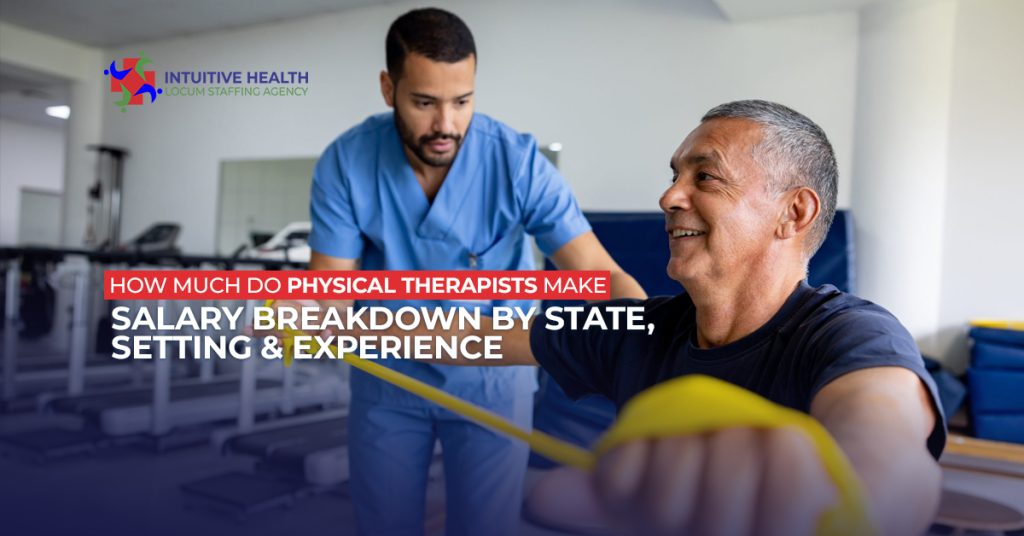
A physical therapist helps people improve how they move.
For example, some patients need help after surgery. Others need help after a sports injury. Some people live with pain that makes daily tasks harder.
A physical therapist creates a plan to help each patient. The goal is simple. Help people move with less pain and more confidence.
As a result, patients can return to work, sports, school, or daily life.
Why Do People Choose Physical Therapy?
Many healthcare jobs focus on tests or treatment plans.
Physical therapy feels different.
Patients often spend weeks or months with their therapist. Because of this, strong relationships often develop over time. According to a study published in Physical Therapy, factors such as work environment, educational debt, and practice setting can influence long-term job satisfaction among physical therapists.
In addition, career paths can vary. Some professionals work full-time in clinics, while others explore locum tenens physical therapist jobs to gain experience in different settings.
One patient may want to run again. Another may want to walk without pain. Someone else may want to lift a grandchild with ease.
Every goal matters. Flexible opportunities also exist through healthcare staffing agencies, which can connect therapists with short-term, long-term, and travel-based positions.
Step 1: Earn a Bachelor’s Degree
First, earn a bachelor’s degree.
Most students choose a health or science major. However, schools may accept many different majors.
Popular choices include:
- Biology
- Exercise Science
- Kinesiology
- Health Science
- Psychology
While in college, students must complete required courses.
These often include:
- Biology
- Chemistry
- Physics
- Anatomy
- Statistics
- Psychology
Good grades can help during the application process.
At the same time, practical experience is also important.
Step 2: Spend Time in a Physical Therapy Setting
Next, gain experience in a physical therapy setting.
Many programs ask students to complete observation hours.
This step helps students learn what the job is really like.
For example, students may watch therapists work with patients in clinics or hospitals.
In addition, they learn how treatment plans work in real life.
Many students say this step helps confirm their career choice.
Step 3: Apply to a DPT Program
After college, apply to a Doctor of Physical Therapy program.
This degree is often called a DPT.
A DPT degree is required to become a licensed physical therapist in the United States.
Most schools review:
- Grades
- Required courses
- Observation hours
- Letters of recommendation
- Personal statements
Competition can be strong.
Therefore, students should prepare early.
A strong application can make a big difference.
Step 4: Complete a DPT Program
Most DPT programs take about three years.
During that time, students learn how the body moves and heals.
They also learn how to assess patients and create care plans.
Topics often include:
- Human anatomy
- Movement science
- Exercise therapy
- Patient care
- Treatment planning
In addition, students complete hands-on training.
This training helps turn classroom knowledge into real skills.
As a result, graduates feel more prepared for professional practice.
Step 5: Complete Hands-On Training
Hands-on training is a major part of physical therapy education.
Students work under the guidance of licensed professionals.
During training, students learn how to:
- Assess patients
- Build treatment plans
- Track progress
- Teach exercises
- Communicate clearly
Each training site offers a different experience.
For example, one location may focus on sports injuries. Another may focus on older adults.
Because of this variety, students gain valuable skills.
Step 6: Pass the NPTE
After graduation, students must pass the National Physical Therapy Examination.
This exam is often called the NPTE.
The test checks whether graduates have the knowledge needed for safe practice.
Most students spend several months preparing.
Helpful study tools include:
- Practice tests
- Review books
- Study groups
- Online courses
A study plan can improve confidence.
Therefore, early preparation is often helpful.
Step 7: Get a State License
Next, apply for a state license.
A license is required before treating patients.
Requirements vary by state. However, most states require:
- A DPT degree
- A passing NPTE score
- Background checks
Students should review current state rules before applying.
How Long Does It Take to Become a Physical Therapist?
Many students ask this question.
The answer is simple.
Most people spend:
- Four years earning a bachelor’s degree
- Three years earning a DPT degree
After that, they complete the licensing process.
In most cases, the full journey takes about seven years.
Although that sounds like a long time, many healthcare careers require a similar commitment.
Skills Every Physical Therapist Needs
Education is important.
However, personal skills matter too.
Successful physical therapists often have:
- Patience
- Empathy
- Strong communication skills
- Problem-solving skills
- Time management skills
These skills help build trust.
As a result, patients often feel more comfortable during treatment.
Strong communication can also improve outcomes.
Read our blog for further understanding: What are the Key Skills and Requirements of Physical Therapist Jobs?
Can Physical Therapists Choose a Specialty?
Yes, they can.
Many physical therapists focus on a specific area later in their careers.
Common options include:
- Sports therapy
- Pediatric therapy
- Care for older adults
- Neurological care
- Orthopedic care
Each specialty serves a different patient group.
Therefore, therapists can choose a path that matches their interests.
What Makes This Career Rewarding?
Many people enter physical therapy because they want to help others. That goal stays at the center of the profession.
Patients often arrive with pain, fear, or frustration.
Over time, they gain strength and confidence.
Seeing that progress can be rewarding.
In addition, every day brings new challenges and new success stories. Some therapists also enjoy the flexibility that comes with locum tenens jobs, which can provide experience across different healthcare environments.
Few careers offer that type of impact.
Challenges to Consider
Every career has challenges.
Physical therapy is no exception.
Students should prepare for:
- Years of education
- Competitive admissions
- Licensing exams
- Ongoing learning
However, planning ahead can make the process easier.
Each step builds skills that help throughout a career. For a deeper look at real workplace challenges and balance in healthcare roles, explore Work-Life Balance in Health Department Jobs: Is It Possible?
Final Thoughts
Learning how to become a physical therapist is the first step toward a meaningful career.
First, earn a bachelor’s degree. Next, gain experience in a physical therapy setting. Then, complete a DPT program and pass the NPTE.
Finally, obtain a state license and begin professional practice.
The journey takes time. However, the rewards can be significant.
Physical therapists help people move better, feel stronger, and return to the activities they enjoy most.
For those who enjoy science, movement, and helping others, physical therapy can be an excellent career choice.
Frequently Asked Questions
Are physical therapists doctors?
Physical therapists earn a Doctor of Physical Therapy (DPT) degree. However, they are not medical doctors.
Can physical therapists specialize in a specific area?
Yes. Physical therapists can specialize in areas such as sports therapy, pediatrics, geriatrics, neurology, and orthopedics.
Can physical therapists work temporary assignments?
Yes. Some physical therapists choose locum tenens physical therapist jobs, which provide short-term opportunities in different healthcare settings.